Showing posts with label dog health. Show all posts

March 17, 2010

"Dr Jalloh is the only vet in the country"

Abass Bangura and Forget.

Street clinic in Rokupa, East Freetown, August 2009.

Dr. Gudush Jalloh operating on a puppy with a hernia during one of his "street clinics" in Freetown.

First you notice the dogs. In all other ways Freetown is a West African city like any other, of red dust and raised cries, forty-degree heat and a year neatly segmented into two – hot and dry, hot and wet.

Today water tips from the sky. Beneath the canopy of a local store three street dogs and a man holding a briefcase stand and contemplate the rain. Another dog shelters beneath the umbrella of a cigarette seller. A fifth follows a woman across the street, literally dogging her footsteps, using her as a beacon to navigate the traffic and the floodwater.

In the dry season the kings of the city are the dogs. They weave through the crowds, lie in the roadside shade watching through slitted eyes, they circle and squabble, unite in the occasional frenzied dash. For the most part the people and the dogs exist on separate planes. The dogs ignore the people, who likewise step around and over them. On the road the drivers steer around reclining animals. This city has more street dogs than any I have known.

It is eight o’clock on a Wednesday morning. Torrents of water sluice off the hills and rush down the cross streets. The force of the rain has swept the traffic off the road, and now threatens the battered Peugeot ahead of me. Inside his clinic Dr Jalloh has placed his plans on hold, waits for me in his tiny surgery surrounded by dogs, waits for the rain to stop.The whole city waits for the rain to stop.
[...]
Dr Jalloh is the only vet in the country. No, that is not quite true. There are three government vets, employed by the Ministry of Agriculture. They wear rubber boots, but mostly deal with figures, with capacities, stock and yields. There are also a small number of charlatans. Gudush Jalloh is the only qualified vet in private practice. The single person in the country to whom you might bring your sick dog, cat, monkey or goat.

First must-read of spring break: The Last Vet. From Sierra Leone, Aminatta Forna writes about an extraordinarily dedicated veterinarian, about dogs, people, Africa and the West, and "considers why caring for animals is essential to being human." In Granta's Work issue -- H/T: 3 Quarks Daily.

March 8, 2010

Monday's big box o' links

Musher Sebastian Schnuelle [first in the 2009 Yukon Quest, 2nd in the 2009 Iditarod] rocks the earflaps-up look at the Iditarod restart in Wasilla. ADN photo by Bill Roth.

The official Iditarod site is awful, and not just because of a certain inescapable quitter. So ditch the official site, race addicts, and click on this link for awesome Iditarod coverage courtesy of the Anchorage Daily News. Feature stories, a blog, tweets, interactive maps: ADN wins it in a walk. I'm cheering for DeeDee Jonrowe [and her mom] and Colleen Robertia:
Several dogs in Robertia's Rogues Gallery Kennel — mostly "runts, rejects, retirees or rescues," she said — were rescued from the Kenai Animal Shelter and Alaska's Extended Life Animal Sanctuary in Nikiski. Others weren't wanted or needed by area mushers.

"I think they ended up taking two or three dogs from us," Tim Colbath, founder of the sanctuary, said of the Robertias.

"I hope she can finish it. To be able to take the time and knowledge to go through the rescues and get them to work together like that is just phenomenal." [Source: ADN.]
Penny, Colleen's lead dog, weighs a whopping 29 pounds — all of it heart. [That's Penny, top left, from the ADN.] Go, Colleen and Penny!

A few fave photos from the ADN:
The dangerous Mr. Mackey
Team Jonrowe
OMG, this is begging for a caption
Karen Ramstead's gorgeous Siberians

*************

Have an elderly Rottweiler? Dr. David J. Waters [pdf] really wants to meet you. Actually, he wants to meet your Rottie. Dr. Waters is traveling from coast to coast in order to see as many geriatric Rottweilers as he can:
The complete itinerary of the tour includes: March 11, Harrisburg, Pa.; March 12, Holliston, Mass.; March 13, Philadelphia; March 15, Keysville, Va.; March 16, Columbia, Tenn.; March 19, Cambridge, Wis.; March 20, Riverside, Iowa; March 21, Alma, Kan.; March 23, Red Oak, Texas; March 24, Castle Rock, Colo.; March 27, Colorado Springs, Colo.; March 28, Tijeras, N.M.; March 29, Waddell, Ariz.; March 30, San Diego; April 1, Pacific Palisades, Calif.; and April 3, Seattle.

Waters leads a research team that studies aging and cancer in pet dogs. The research includes the study of exceptionally long-lived Rottweilers - individuals that have lived to at least 13 years, which is equivalent to a human living to 100.

"These exceptional dogs have lived at least 30 percent longer than average for their breed," Waters said. "They have dodged cancer and other life-threatening diseases of aging. We believe studying them can shed light on what it takes to live well."

Over the years, Waters and his team have tracked the lives of more than 140 long-lived Rottweilers. Today, however, their database is down to just 15, hence the tour to meet these exceptionally aged canines.

"From questionnaires completed by owners and veterinarians, my team has validated dates of birth and collected a mountain of information about these dogs, including medical history, diet and dietary supplement usage, and parents' longevity," said Waters, who is also associate director of Purdue's Center on Aging and the Life Course and professor in the Department of Veterinary Clinical Sciences.

At each stop, he will perform a physical examination, collect DNA samples, and record measurements such as height and chest and belly circumference. He will observe each dog in its home environment and query owners on what makes their dog exceptional.
Read more here, from Jennifer Viegas at Discover News: Oldest Rottweilers Inspire 'The Old Grey Muzzle Tour'.

*************

Keep. your dog. on a damn. leash. [H/T: DeltaBluez Stockdogs.] Heather points out that a little training wouldn't hurt, either. Speaking as one who has owned sheep: most people who say their unleashed dog has a reliable recall are either delusional or lying.

*************

Videos:
Canadian dude needs some viral help for a worthy cause. You got it, dude.
I love Local Commercials salutes Butt Drugs of Corydon, Indiana.
OK Go - This Too Shall Pass - Rube Goldberg Machine version. Yes, 20 billion people have seen it already, but maybe you missed it. I'm here to help.
A journey through Asia. Moving and beautiful.

*************

What an 8.8 [and the ensuing tsunami] can do, from The Big Picture.
  • Conception, Chile, shifted 10 feet to the west.
  • Santiago, Chile’s capital, was displaced about 11 inches to the west-southwest.
  • Buenos Aires, the capital of Argentina, moved about 1 inch to the west.
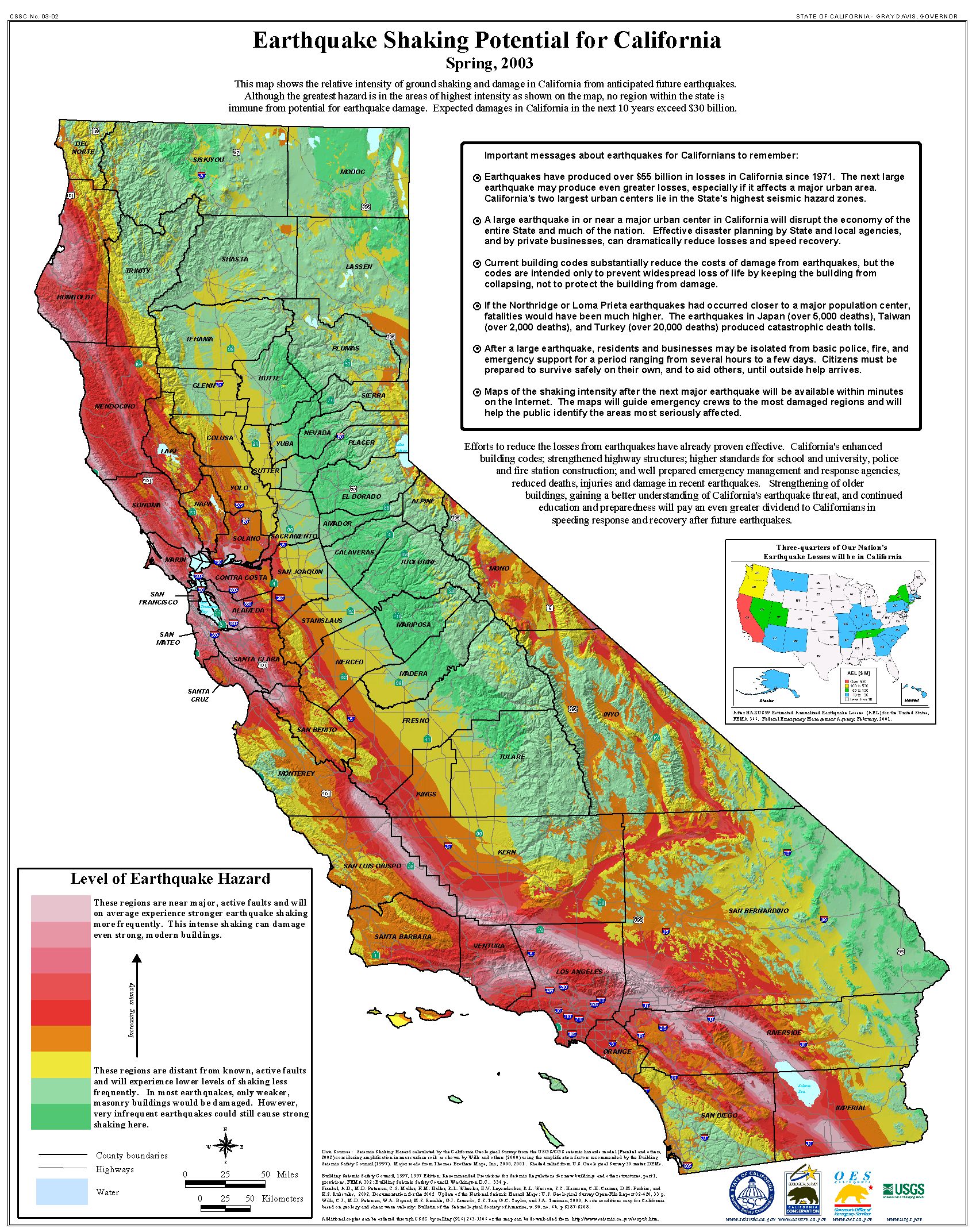
Sure am glad a 7.5 is the most we can expect in these parts! [See A Faults (pdf).] Oh, yeah, nothing to worry about here.

Seriously folks, those of us along the southern [strike-slip fault] San Andreas will never experience the kind of subduction zone thrust-faulting they have in Chile [and in Alaska and the Pacific Northwest]. San Andreas — big-ass quakes. Subduction zones — frikkin' humongous quakes.

*************

Last, but not least — if you plan to be in the San Diego area in late March, you might want to attend Safer Pet Vaccination and Health Care: An Educational Seminar and Benefit. You'll spend the day with pet vaccination experts Drs. W. Jean Dodds and Ronald D. Schultz, and proceeds will go to the Rabies Challenge Fund. The seminar/benefit will be held at the Del Mar Hilton [across from the Del Mar Fairgrounds and Racetrack] on Sunday, March 28, 2010.

January 2, 2010

Vestibular Disease II

My earlier thread on vestibular, Vestibular disease: leave a light on, now has over 100 comments. On some computers [that is to say, in some browsers] the comment form can no longer handle the load, so please post new comments here.

I would like to thank all those who have shared stories. Vestibular is a miserable experience for both dogs and owners, and reading about others' experiences can sometimes help. For anyone watching a beloved companion go through this: you have my prayers and best wishes for the return of your dog's health.

[That's my good girl Piper up above.]

ETA: Now with two pages of over 200 comments! Thanks, all! You may need to click "newer" to see the latest ones.


November 17, 2009

Oreo: There oughtta be a law!


Animal activists protest the barbaric murder of Oreo. Oops, my bad — had a Fox News moment there. This photo is from a larger, yet remarkably similar protest.

That's the solution, people! A law that saves dogs like Oreo from murdering murders like bloodthirsty Ed Sayres and from people like you — yes, you, and don't be showing me your kid's stitches and weeping about mental-lapse aggression because I've seen Fluffy's darling picture and I know perfectly well that Cesar Millan could have fixed your dog, no problemo! How dare you order your vet to murder Fluffy! People, Fluffy could have gone to a sanctuary to enjoy a long and happy life at the end of a catchpole, in his little kennel run! We need a law! Start a petition! Call your congressmen! Damn you murdering murderers and your Culture of Death!


[Never spent any time with Oreo, but think the fate of dogs that attack their owners/caretakers should be determined by owners/caretakers and their vets, not by popular vote. Also: there is such a thing as a life not worth living; and if I am ever in a permanent vegetative state, for doG's sake, pull the damn plug.]

July 6, 2009

Hello Rattlesnake

Rattler on a friend's porch in the foothills, next to the dog beds, yikes. Removed and dispatched shortly thereafter. Little tyke was about two Barbies long, as we measure rattlesnakes here in Southern California.

Few things concentrate the mind like the approach of a large, venomous snake, as the saying goes, and even a small venomous snake headed in the opposite direction will hold my attention just fine, thanks. Rattlers remind me of the old line [attributed to a "Haitian farmer," so probably coined by a summer intern at Condé Nast] that a dog is a dog except when he is facing you — and then he is Mr. Dog. Well, rattlesnakes are always Mr. Snake. Coming or going, they get nothing but respect from me.

Our local emergency veterinary clinicians see "at least a few" rattlesnake bites each month during snake season. If you live or travel in rattlesnake country, you might want to call around to find out which vets are prepared to handle snakebite, since not all vets keep antivenom on hand. A trainer I know once drove her snake-bitten hunting dog from vet to vet to vet before she finally found a clinic with antivenom. The dog made a full recovery. The trainer probably felt as if she'd aged ten years.

California has been home to some legendary herpetologists and snakebite experts. The latest, and probably the best known, thanks to Animal Planet, is Dr. Sean Bush, Professor of Emergency Medicine at Loma Linda University School of Medicine and on staff in the ER as an emergency physician and envenomation specialist. You can read his articles on rattlesnake bites and moccasin bites [black widows, too] at eMedicine. He doesn't mince words ;~) Here's his page on our local rattlers.

So, you all know what the most important tool is in case of snakebite, right?

A car key.

Forget suction devices: as the doctor says, they just suck. Forget incisions, constriction bands, buckets of ice, bottles of alcohol and all those magic herbal salves the curandera gave your great-grandmother. All they do is make things worse.

1) Put the snakebite victim in the car.

2) Take the car key in your right hand, put the key in the ignition, turn the engine on, and drive carefully to the nearest hospital emergency room [or veterinary ER if, god forbid, your dog has been bitten].

[Edited to add: a cell phone is right up there with the car key.]

Don't waste time trying to catch and kill the snake so that it can be identified. In the first place, most vets aren't herpetologists. In the second place, even if your vet knows his colubrids from his elapids it doesn't matter: the antivenom isn't species-specific. A dog here in the U.S. will get the same antivenom whether he was bitten by a cottonmouth or a southern pacific rattler or a western diamondback or a Mojave "green." So will you. Vets give dogs the same antivenom that ER docs give to human snakebite victims. The doctor will probably administer CroFab, and you can read more about it here and here.

"But what if one of us is bitten by a coral snake?"

You're screwed, basically. Sorry about that.
Historically, if the snake was positively identified as an eastern or Texas coral snake and the victim was asymptomatic, or if signs and symptoms of envenomation were already present, the recommendation was to obtain and immediately administer appropriate antivenom. In the United States, however, as of October 2008, all available stocks of Wyeth's North American Coral Snake Antivenin will have expired, and this country will find itself without a commercially available antivenom. [Source]
However:
Absent an available antivenom, victims can be managed with sound supportive care (as outlined above) with an expectation of excellent outcome as long as airway management and respiratory support are adequate, though ventilator dependence could persist for many days following serious bites.
Whew!

[The truth is, you'd pretty much have to chase a coral snake down and grab him and pry his jaws open and stick your hand in his mouth to make him bite you. Most human victims of snakebite in North America are bitten because they are drunken idiots they've picked the snake up. The rest are unlucky. Two examples from California's handful of snakebite fatalities: an elderly grandmother who sat on a rattlesnake during a family picnic in the San Jacinto mountains; and a San Diego construction worker who mocked his coworkers for scrambling away when they uncovered a rattler at a construction site. "I'll show you wimps how to handle a rattlesnake," he said, or words to that effect. He picked up the snake, it bit him, and he died.]

If I lived in the foothills where B. and her hubby live, or in any other rural area of Southern California, I would look into Red Rock Biologics' rattlesnake vaccine for dogs. UC Davis doesn't recommend it yet, not, I gather, because they've heard bad things about it but because they haven't heard much either way. The best things I've heard about this vaccine come from Jennifer Clark-Ewers, a top hand who works her sheepdogs in southeastern San Diego County. Jennifer wrote the following to Sheepdog-L a few years ago, and I reprint it here with her permission.
I have vaccinated for 3 years and it has saved 4 dogs on my ranch including one this week. Last year I had a small female bit on the inside of the back leg, obviously she pee'd on the snake.. I thought she had injured herself as we always think there will be some giant amount of drama when they are bit, NO in the 4 dogs bit on my property we only knew after the fact. In 2 cases we killed the snakes in the other 2 cases we had no idea they had been bit, of course until the swelling. The legs still turn black and the skin died in the immediate area around the bite, but antibiotics and Benadryl were the only thing the vets suggested because of the vaccine. The vaccine obviously buys you an enormous amount of time since in the case of the "unknown" bites the dogs were crated waiting to go to a vet for some unknown injury; snake bite puncture holes are not exactly easy to find on a fur ridden leg. So anyhow for people that are in the area that has the vaccine available I think you are foolish not to use it. Am I complacent about the rattlesnake bite? Not even, but I am a bit more relaxed. I only have a few dogs that "alarm" me to the fact that there is a rattlesnake in the area... I believe more in the vaccine than the shock collar.
As Jennifer emphasizes, the vaccine gives you extra time and in the case of her dogs, lessened the severity of the symptoms. It isn't a cure-all: I heard from vet techs last year about a dog that had been vaccinated but died following a rattlesnake bite because the owners were away from home and didn't return in time to get the dog to the vet. And with or without a vaccine, rattlesnake bites can cause horrific tissue damage. Trainer and Open handler Amelia Smith has written a gripping account of her famous Price and his battle to survive after a big southern pacific rattler bit him on the face and paw.

[What "big" means:
Rattlers are heavy-bodied snakes. They're not long — a 6-foot rattlesnake is humongous — but they can be mighty hefty. The largest one I've seen in California was a southern pacific as big around the middle as my knee. He was in the basement of the San Bernardino County Museum, back when Bob Sanders kept his live rattlesnakes there and Dee Simpson's Joe - a big, bonny Gila monster - would ride around on your arm like a puppy. That southern pacific had a ginormous rattle going like crazy and you could hear it two floors up — when I first heard him I thought a steam pipe had burst.]

I should mention that a vial of antivenom costs hundreds of dollars, and the cost of treating a dog with multiple vials can easily hit four figures. The local veterinary ER has euthanized dogs at owner request in a few cases where the owner was unable or unwilling to pay for the cost of treatment for poisonous snakebite.

On the phone Jennifer pointed out that it can be impossible, sometimes, for a sheepdog to avoid a snake while the dog is working stock. This is one of the problems I have with aversion training, which is the use of electric collars to teach dogs to avoid snakes. What good will aversion training do when the dog is completely focused on stock? Aversion training might help a dog avoid a snake on a dirt road, but not during an outrun or a gather.

It was late Friday afternoon near beautiful Oak Glen when that rattler at the top of the post had his picture taken. On Sunday - yesterday - another one showed up. Gophers in the new apple orchard... ssssssspread the word...

Good-bye rattlesnake! [Click for bigger.]
DancesWithGuars photographed this magnificent southern pacific rattlesnake crossing a trail in Rancho Sierra Vista.

"But never met this Fellow
Attended or alone
Without a tighter Breathing
And Zero at the Bone."
Emily Dickinson


Related:
Just chilling

May 31, 2009

SB 250: As if California didn't have enough stupid shit to deal with right now

No, this isn't an artist's interpretation of SB 250. This is every sane person's interpretation of SB 250.

I'll cut to the chase: this giant inflatable poo rotten little mess of a mandatory spay/neuter bill could be voted on in the California State Senate as early as Monday, and yes, that's Monday, June 1. This week. Like, right now.

Here's a link to the Save Our Dogs site. Visit the link and then call and fax as if your dogs' lives depended on it, because they might just. Save Our Dogs has all the contact info you'll need.

If you have the time, you can check out my posts on the Dead Dog Act, AB 1634. Yes, the same chuckleheads are behind SB 250.

The when and if of spay neuter should be decided by pet owners and veterinarians, not politicians and dog killers. As Christie says, please act now.
The day I let a politician or animal control officer force me to perform a medical procedure on my dog or cat against my will be a cold day in hell. All my current pets are altered so it’s all hypothetical, but I would never, ever comply with this legislation. I find it profoundly offensive, and if you can find someone who loves animals more than I do, I have no idea who it is. [Christie Keith]

May 30, 2009

"Waffles grabbed a bee"


"Oh man! No more terrorist fist-bumps for Waffles..."

Truly, a priceless photograph and title [and comment]. From Wary Meyers, via the most excellent Hello Bauldoff.

Dunno about cats, but dogs can, and do, die from bee stings. A friend of mine has a corgi that's allergic to bee stings and goes into anaphylactic shock when stung — or would go into shock, if my friend didn't always keep an EpiPen® handy. If your cat or dog has reactions to bee stings, ask your vet about EpiPen®.

More info on bee stings and anaphylaxis:
Drs. Foster & Smith
Short-legged breeds - bee magnets?

April 5, 2009

The grossness (and did I mention awful breath?) of gingival hyperplasia

Gingival hyperplasia is one of those conditions that fell out of the ugly tree and hit every branch on the way down. [Grody photo link: bleeeccchh.] Imagine abnormal gum growth that in some cases actually covers a dog's teeth. And if you think it looks bad, think what it does to a dog's breath — specifically to my dog's breath, the breath of the world's cutest and friendliest, the breath of the dog that sleeps on my bed, ay caramba.

Everyone tells me that gingival hyperplasia is most common in boxers, but any dog can develop the condition. Certain drugs can trigger it as well: more info here and here.

So my good girl had a gingivectomy last month. "During a gingivectomy ["deep pockets," heh], hyperplastic or excess gingiva is removed," which means that a specialist with mad skillz in veterinary dentistry cuts away lots and lots and lots of weird-looking tumor-ish gum tissue. Benign tumor-ish tissue in this case, thank heavens. The doctor [Eric Van Nice, who specializes in advanced veterinary dental care at Animal Dental Services in Tustin, CA — that's Dr. Van Nice in the photo] was totally ossum and Bounce has beautiful teeth and minty-fresh breath now.

Why did you wait so long to get this done, you may ask.

Short answer: because once removed, in most cases the abnormal tissue grows right back.

My vets have told me for years that if the excess gum tissue doesn't seem to be bothering the dog, I should leave it alone.

But her breath got worse and worse. Remember, I sleep with this little animal. ["Pit bull kills owner — with its breath!"] During a recent appointment, my vet raised an index finger in the air like a frontiersman checking wind direction, and announced, "What I said before about this? I take it back — your dog needs to see a specialist."

Note to self: in future, see specialists earlier rather than later. "You dodged a bullet," said Dr. Van Nice. Excess gum tissue traps bacteria and causes tooth decay along with the noxious smell, duh. It's something of a miracle that none of my girl's teeth were rotten.

The procedure itself was over in the time it took my cousin and me to spend more money than we should have, all things considered, at a local Ikea. I dropped Bounce off at 8:00 and picked her up just after 12:00. She was very drowsy for the rest of the afternoon. She was on antibiotics for five days and needed soft food for a week, and now [after nearly two weeks] her mouth looks terrific and she feels shiny and new.

The doctor explained that in some cases, when the condition is caught early enough, it's possible to eliminate it completely. Generally, however, the excess tissue will grow back and dogs will need repeated care. In Bounce's case, subsequent gingivectomies - if needed - will be a lot less work than the first one.

And you should have seen the drawer of dangerous toys the doctor shared with us! "Plastibones," "WussieSticks" [you know the chew toys I'm talking about], rawhide items hard enough to shatter a car window... the doctor is perfectly willing to repair the damage, but he would rather your dog avoid those tooth-ruining toys in the first place. Kongs, though - Kongs are excellent. Kongs are your friend.

In the scan below: Dr. Van Nice, UC Davis grad, Fellow of the Academy of Veterinary Dentistry and Diplomate of the American Veterinary Dental College, works on a really big cat.

March 17, 2009

Brutal


Cim Smyth and his team reach Kaltag after 150 miles on the frozen Yukon River, mushing into winds of up to 40 mph. Wind chills during the Iditarod this year have reached -45 degrees F. "Brutal winds have slowed the 37th Iditarod Trail Sled Dog Race to a crawl." ADN photos and race coverage here.

Three dogs dead, so far. Two from Lou Packer's team died during an awful night on the trail. Packer described the situation for a reporter, and I listened to the audio ["Lou Packer discusses the life-threatening weather"] and thought, two good dogs died on account of this chucklehead?! Packer zipped himself into his sled bag and apparently left the dogs outside in the blizzard to fend for themselves. From the ADN:
Iditarod officials confirmed the dog deaths and said necropsies were planned to determine how the animals died. Thin-coated huskies have been an issue of concern among Iditarod veterinarians in recent years. Concerns have been growing that such dogs might fall victim to exposure.
Gosh darn it [slaps forehead] — now you tell us!

Dunno if the Iditarod is still the race I hate to love. The race I hate to hate, maybe. No belt buckle is worth a dead dog.

Related:
Iditarod links, and a moment of silence, dammit

February 9, 2009

This just in, and it's important

The report — you can read it here — doesn't mince words: "Selective breeding for physical appearance — the cause of the problem." The publication of this independent scientific report, commissioned by the RSPCA, could be the dog news of the decade and perhaps of the century: the ramifications could be that huge. [See what has already happened in the U.K.]

Patrick Burns at the Terrierman blog has been all over this like white on rice, and thank doG for that. The man has his idiosyncrasies: he likes healthy dogs with brains and a talent for real work, for one. For another, he's not only baffled that some people breed ill, crippled dogs on purpose and win ribbons in the process — he's mad as hell about it.

The good news is that he's not one to stand by while dogs suffer, and he's not alone.

[The bad news is, the AKC and its breed clubs can be so intransigent and so clueless as to beggar belief. Thank God for the defenders of the working border collie, is all I can say.]

I hope the release of this study during Westminster will be the wake-up call the AKC and the breed clubs so desperately need. If you care about dogs, spread the word about this report: selective breeding for exaggerated physical appearance has made life hell for many dogs.

You can read the summary, the full report and Patrick's comments here. Again: spread the word.

Bulldog skull, via Terrierman. No dog that baited bulls ever looked like this poor, deformed creature.

January 31, 2009

Ingrid Newkirk hopes your dog gets cancer

Not just Ingrid Newkirk, and not just any cancer, either.

Ingrid Newkirk of PETA and R. Rex Parris, the Mayor of Lancaster, California, both hope your dogs get bone sarcoma. Bone cancer, for crissakes! It's the law. Move out of town, minority scum, or we'll kill your Rottweilers and your pit bulls! Ingrid says: I love this law! Let's kill all the pit bulls!

This just in: when you slap a mandatory spay/neuter law on a breed like the Rottweiler [and in 2009, what society hacks off body parts as punishment?], you are sentencing dogs to death by cancer. Don't believe me? Here's the PubMed abstract. Excerpt:
Risk for bone sarcoma was significantly influenced by age at gonadectomy. Male and female [Rottweilers] that underwent gonadectomy before 1 year of age had an approximate one in four lifetime risk for bone sarcoma and were significantly more likely to develop bone sarcoma than dogs that were sexually intact.
What part of these findings don't Ingrid Newkirk and Mayor R. Rex Parris understand?

Seriously, people — bone cancer. One in four Rotties will suffer from it, if spayed or neutered before a year of age. [Other large breeds are also at risk.] Lancaster wants them all "fixed" before they're four months old.

It should be glaringly obvious by now that Newkirk, the so-called "animal rights" pooh-bah, doesn't give a rat's patoot about dogs. She wants them gone from our lives, one breed at a time or in bunches, by lingering deaths or quick ones, by stealth or by whatever canine version of Jim Crow she can espouse.

And Mayor R. Rex Parris doesn't give a rat's patoot about his law-abiding fellow citizens. He's happy as a clam to impose a death sentence on their dogs and subject families to the anguish of losing a friendly companion to confiscation or cancer. Maybe you shouldn't have let your tattoo show when you took the dog for a walk, eh? Maybe your son shouldn't have dressed like a normal middle-school student the last time he was in the front yard playing with your new Rott mix, eh? That'll teach you. Lancaster doesn't want your kind.

And for the record: When Newkirk says, among other truthinesses, "Pits and pit mixes are responsible for more attacks than other dogs - not just fatal attacks, but ones in which an eye or limb or self-confidence is lost for life," she's lying through her teeth. She's talking out of her elbow. She has no verifiable studies — because there aren't any — to back up her rant o' crazy. Don't take my word for it: pick up the phone, you folks who call yourselves journalists, and run Newkirk's nutty quotes by the real experts at the CDC and the AVMA.


What sort of mayor writes a bad law with the intention of wielding it selectively against people he doesn't like? What sort of person tells lies in order to have good dogs taken from their families and put to death?

[And why, oh why is anyone still listening to PETA?]

"Dogs deserve justice" — the irony, it burns!


Related:
PETA wants to kill my dogs -- and yours
Dogs white people like

January 13, 2009

Super-size? No, thanks

This has stuck in my mind: something I read years ago about a hiker running down a wilderness trail, distraught, calling for help because his dog was hurt. Not just hurt, either, but badly hurt, unable to walk and too heavy to carry -- and left alone on the mountain while the hiker went to seek assistance. That article scared the bejeezus out of me. The older I get, the more hesitant I am about taking responsibility for a dog I can't pick up and carry in case of emergency.

I learned the hard way, decades ago, that an ill or injured dog can be an absolute bear to lift. After my Airedale suffered a seizure, I couldn't pick her up to save my life. I was a good deal stronger then than I am now, and at 50 lb she was usually easy for me to lift. But a frightened, flailing animal with no sense of balance is worse than dead weight, and there was no one I could call for help. Getting her downstairs and into the car was a nightmare.

My good boy weighed a solid 55 lb, which isn't the same as a pallet of cinder blocks but is still pretty heavy. As his health declined, my biggest fear was that I wouldn't be able to lift him into the back seat of the truck if he took a sudden turn for the worse. I've made a new rule for myself: no dogs over 35 lb or so from now on. We'll see if it sticks.

The photo above [click for big] was taken up at the cabin: he was maybe ten months old and working on his Lion King face. The house is very empty and still without him.

November 22, 2008

Dear Mr. President-Elect

You have a month and a half.


That's it: maybe six weeks. They'll go by like lightning. Use them wisely, and we'll rejoice. Not so wisely, and you'll fail to provide the optimal foundation for your new puppy's life. Even worse, you'll have a dog's lifetime to regret your failings.

Cabinet appointments? Forget 'em. [ For a minute, anyway.] I'm talking about socializing your puppy. Nothing, but nothing is more important.

"Oh, that!" you say. "Of course we'll socialize our dog."

Forgive me, Mr. President-Elect, but I said socializing your puppy.

Beyond 12 weeks, it's rehab, it's a wild goose chase, it's closing the barn door after the horse has not merely escaped but has disappeared for good. After 12 weeks you can call it whatever you like, but it isn't socialization.

I can't begin to tell you how important this is. You have until the puppy is 12 weeks old, maybe 14 weeks if you're lucky, to help him become the most happy, friendly, confident, and above all safe dog to be around, for the rest of his life and a good deal of yours.

And that's what every president needs, right? The last thing you want is a dog that will bite well-meaning reporters, or cower when foreign delegations arrive in unfamiliar outfits, or bolt in panic at the sight of an umbrella, or, God forbid, growl and snap at the poster child in a wheelchair or the elderly dignitary leaning on a cane.

So here's the drill, and it's a simple one: your pup must meet one hundred [very different] people by the time he's 12 weeks old. Friendly people, it goes without saying.

People of every size, shape, color and language group.
Men with beards.
Women with funny hats.
People in wheelchairs.
People on crutches.
People on bikes, skateboards, rollerblades.
People carrying ladders, tennis rackets, grocery bags, sporks, incense burners, surfboards, umbrellas, babies.
Babies.
Sleeping babies.
Small, squirming, squealing babies.
Toddlers.
Teenagers.
Old people.

As Jean Donaldson says in her classic book Culture Clash [in Chapter 3 -- Socialization, Fear and Aggression -- a chapter that should be required reading for every person who ever plans to have anything to do with dogs], you don't want a dog that merely tolerates all these folks. Why would you settle for that, when you can have a relaxed, confident dog that enjoys them? Why would you want a dog that hides from your daughters' friends, or snaps at them, when you can have a dog that loves people and is reliably, happily, famously friendly and comfortable around them?

Don't worry that your puppy will catch horrible illnesses from spending so much time schmoozing, either. For one thing, if you keep the pup in your arms and -- this is important -- off lawns other dogs might have visited, he should be fine. For another thing:
The American Veterinary Society of Animal Behavior has written [...] that inadequate socialization leads to behavioral problems, including fear, avoidance and aggression. And behavioral problems are not just the primary reason dogs are dumped at shelters -- they also are the No. 1 cause of death for dogs younger than 3 years old.

"While puppies' immune systems are still developing during these early months, the combination of maternal immunity, primary vaccination and appropriate care makes the risk of infection relatively small compared to the chance of death from a behavior problem."
Huge thanks to Ian Dunbar for the "100 people by three months of age" mantra, and here's an example of how well it works:

A dear friend of mine got a border collie pup just over a year ago. Without socialization, border collies can be shy, suspicious, fearful, dangerously reactive and much worse -- trust me on this. So my friend, treats in hand [and pocket], set out to introduce her pup to 100 people by the time the pup reached three months of age. She did it, too. And on Halloween my friend dressed up her border collie and joined some neighborhood families, all in costume, as they walked their children from house to house. [Every Halloween our town blocks off a few streets for trick-or-treaters. No traffic -- just lots and lots of people.] The streets were filled with ninjas, pirates, princesses, dragons, robots and God knows what else. I personally know a few dogs that would still be running in wild-eyed terror if they'd come within a block of that celebration. My friend's border collie? He had a wonderful, confident, tail-wagging good time, and was greeted and petted by one and all. I'm sure he thought the whole thing was arranged just for him.

100 people by three months of age, Mr. President-Elect. Your dog and your family will thank you. So will everyone else. [Mention "100 people by 3 months" on your weekly radio address, sir, and I will personally come to your home and house-train the new pup for you. Hope to see you soon!]


The wonderful image above is from TiggerLarue's Pound Puppy Rescue set on Flickr: click here to see the original.

November 11, 2008

Blog love: Worms & Germs

How can you not love a blog with posts like Stupid things done with bats and Woman pecked by magpie loses leg and Cleaning up raccoon latrines? Worms & Germs is one creepy fascinating website. Smart, too: it's brought to us by the Ontario Veterinary College's Centre for Public Health and Zoonoses and the City of Hamilton Public Health Department, and the focus of the blog is zoonotic diseases. [Check out their Resources page.]

Today the W&G post is about dog bites. Excerpt:
A study was recently published in the Veterinary Record (O'Sullivan et al, 2008, volume 163) describing 234 dog bites in people in Ireland. Dog owners and victims of dog bites were interviewed to characterize the incidents. Bites were divided into 2 categories: bites to the dogs' owner(s) and bites to someone who didn't own the dog. Here are some parts of the study that I found interesting:

*A large number of dog breeds were involved. The breeds most commonly involved in bites were also the most common breeds in the country, indicating that higher bite numbers for certain breeds were a reflection of the breed popularity, not a breed-associated propensity to bite.
Read the rest of the post here. Weird trivia: "24% of owners and 22% of non-owners were bitten on a Wednesday." Unreal. Forget BSL -- Ireland needs to ban Hump Day.

W&G now has a sibling-blog devoted to horses: EquID Blog. Thanks to Drs. Scott Weese and Maureen Anderson for coordinating these often cringe-inducing and always informative websites.

August 24, 2008

Conspiracy of dunces

Dogs I love: Whitey, a mountain cur, and Ranger, a feist, working a tree. Photo swiped from Henry Chappell's most excellent blog.

From Shaw's play, The Dog-breeder's Dilemma:

RIDGEON. We're not a profession: we're a conspiracy.

SIR PATRICK. All professions are conspiracies against the laity.
And we cant all be geniuses like you.
OK, the play is actually The Doctor's Dilemma. No dogs. But I can't get that "conspiracy against the laity" comment out of my brain, and it's because of people who have turned dog-breeding into an arcane science. It isn't just the show-dog breeders, either. The conspiracy against the laity includes people who breed dogs for work and people who have never bred a dog or even owned one but who nevertheless "know" that a dog from the shelter is "better" than a "purebred," and both are "better" than a dog from a "backyard breeder."

This is bad news for dogs themselves. Consider one of the people featured in the AKC Gazette's annual breeding issue a while ago: she described her efforts to get a live pup from a bitch [a Peke, IIRC] that couldn't carry a fetus to term, let alone whelp, without round-the-clock supervision and intervention. You may be thinking, "They call this a good breeder?" Ah, but the dog was a Champion. It reminds me of the breeder in Dog World who noted a photo of an early Peke — one capable of breeding normally — and remarked, "That was before we perfected the head." I kid you not.

And it gets even stranger. During the AB 1634 battles in California, breeders like the person above were the ones the mandatory spay/neuter bill protected — as if titles handed out for "perfect heads" were evidence that a dog deserved to be in the gene pool. But a mating between your healthy, friendly, unpapered Lab and your neighbor's equally healthy, friendly shepherd mix? Bad, bad you, for sealing the fate of all those pit bulls and Chihuahua mixes in Kern County shelters who undoubtedly would have been adopted by your friends and relatives if only those thoughtless fools hadn't taken your healthy, friendly puppies instead!


Over on the Pet Connection blog, Christie Keith wrote a great post on dog breeding and the threat posed by loss of genetic diversity:
Genes, once lost, can’t ever be recovered. Dogs who died without passing on their genetic heritage are gone forever, barring a few stray tubes of semen hanging out in a canine sperm bank somewhere. And by selecting from a small number of popular sires and focusing breeding programs on extreme conformation traits at the expense of preserving genetic diversity and health, genes are exactly what are being lost. Permanently.

So, is the canine species doomed? No. But many of our individual breeds may be “doomed,” at least in the terms we in the United States and most of Europe understand the word “breed” today, breeds defined by closed studbooks.

Closed studbooks mean a registry, such as the AKC or its British equivalent, the Kennel Club, will only register dogs whose parents were registered by them as being members of that breed. It means breeders are deliberately limiting the genetic pool from which they’ll select when they breed two dogs together.
And in breeding to a conformation standard, appearance trumps temperament every. single. time. The happy, friendly pup with the conformation "fault" — a muzzle that permits easier breathing, for example — will be the pup sold with a strict spay/neuter agreement. Working-dog breeders have their own priorities: a well-known breeder of working border collies told me once, "If I had a great working dog that bit people, I'd still breed him." ([whispers] So would I.) This individual places every pup in a working home, but that isn't the point.

The point I think I'm working toward is that America's shelter problem, and America's dog bite problem and America's puppy mill problem, may have a lot to do with the fact that dog breeding has become a conspiracy against the laity. "You can't do it! You don't know enough!" cry the AKC breed clubs. "You can't do it! Shelter dogs will die!" cry the animal rights activists. "You can't do it! You'll make our dogs useless!" cry the working-dog breeders [who are actually correct, but bear with me for a bit].

And so John Q. Public, who wants a dog his kids can fall asleep on, a dog he can take jogging — who isn't interested in dog agility or stockwork or carrying Scout around in a purse, who doesn't want to tackle a rehabilitation project, who is just looking for a puppy that will grow up to be a healthy, friendly, laid-back, medium-sized dog to snooze at his feet during The Daily Show and schmooze agreeably during family barbecues — John Q. is screwed. He knows what he wants, but all he hears is, "You don't really know anything. We'll tell you what's good for you."

He might strike gold at the pound. I did, but with one dog it meant rehabbing a food-guarder; and the landshark, a terrific working dog, growls at small children if they get closer than the length of a football field. [Two football fields, if the small children are making loud noises.] Not much of a problem for someone who shares the dog's aversion, but probably a deal-breaker for parents. Some rescues handle this issue by rejecting families with young children, and as it happens, John Q.'s youngest is a five-year-old.

Perhaps John Q. could visit a dog show and talk to "responsible breeders." He may find a breeder who cares tons about health and temperament and has a comparatively problem-free breed. Stranger things have happened.

Working dogs are out. Too active, and John knows it. His oldest daughter tells him there are some adorable pups at the pet shop in the mall, but his wife saw Oprah's puppy-mill show, so the pet store is a non-starter.

Down the street there's a great dog John Q. admires: a smart, handsome, friendly, vaguely collie-looking dog that he's known since it was a pup. The owner was thinking about breeding this dog to a neighbor's athletic, ball-crazy Lab mix, but now the owner plans to have his dog neutered, since a coworker says intact dogs are more likely to bite, get cancer, etc. [See what actual veterinary medical research says about the effects of spay/neuter here.] Pity, since the pups would have been just what John was looking for. Maybe he'll swing by the pet store after all.

*************

In an earlier post I mentioned Cate, a mountain cur that I totally covet belongs to Henry Chappell, and the sensational Chet Baker, adored by Julie Zickefoose and family. Chet comes from a breeder who turned her back on the show world in favor of sturdy, friendly dogs that can breathe reasonably well. Tons of people would give just about anything for a dog like Chet Baker, but his breeder would be excommunicated by the AKC Gazette crowd, and shut down for good by AB 1634-type legislation. If Cate's breeder tested his dogs for genetic problems I'd be surprised. Henry wrote:
I knew before I went that I’d buy one of those pups. The breeder, Greg Coker, is a serious squirrel and ‘coon hunter.
And this:
I found the sire and dam calm and friendly, and neither barked or paced excessively despite the visitors and excitement.
And this:
Much to its benefit, the mountain cur isn’t recognized by the AKC. Hence the healthy variation in size and color. Until fairly recently, the mountain cur really wasn’t a breed at all, but a “type”bred strictly for working qualities. We all know the benefits of breeding records, judicious line breeding, and competition... We all know the dangers, too. The cur has always been a rawboned, rural meat, hide, and stock dog, the sort of dog unlikely to catch the attention of the Fancy and well-heeled competitors. Let’s hope it never does.
In the excellent discussion following Christie's post, blogger slt wrote:
I don’t think breeders need more policing, more hoops to jump through, more ways to cheat on tests and/or more false standards to determine if stock is worthy to be bred from. Rather, a dialogue needs to be opened about 86ing all the “rules” we were taught by the AKC breed clubs and start fresh. Step outside the box, forget what you thought was right and take a fresh look to see if it really *is* right.
Amen. To start with, we might acknowledge the historical truth that ordinary folks are perfectly capable of breeding good dogs that suit their needs. And we might consider the possibility that a conspiracy of dunces — from show-dog breeders to mandatory spay/neuter supporters — has made every dog-related problem much worse by marginalizing and disenfranchising people who may not know squat about "perfecting the head," but know enough to want a dog that can breathe normally, be "calm and friendly," and enjoy a long, healthy life.

June 16, 2008

Heatstroke can kill your dog


Carol of the most excellent Frogdog Blog has written the best article on heatstroke I've ever seen. Go. Read.

Smooshy-faced dogs — Frenchies, Bostons, pugs, bulldogs, Pekes and others -— are especially at risk of heatstroke, but I've seen a good border collie in top working condition keel over as well, at a trial in the baking-hot Central Valley. From Frogdogz:
You must realize that ambient air temperature is not the only factor to consider when deciding it’s it hot enough for your French Bulldog to be at risk. Think about walking across sand, or pavement, in the cool of the evening after a hot day, and how hot those surfaces remain. Your dog, being close to the ground, is absorbing all of that ground heat. Remember that dogs do not sweat, and can only cool themselves by panting, which is made more difficult in humid weather, or when they are a flat faced breed with a shorter airway system.

In short, never, ever assume that just because you think it isn’t ‘too hot’, your dog will agree. Your dog’s life depends on your being careful, and on your being prepared to deal with heat stroke if it happens.
The Frogdog post has informative links, vet comments and a list of items for a heatstroke safety/emergency kit.

This information is for ALL dogs. Flat-faced breeds are more at risk, but any dog can fall victim to heatstroke, even the soundest, best-conditioned dogs you can think of. [These are the days border collie owners work their dogs early in the morning, if possible, with frequent breaks for soaking in the water trough.] Heatstroke can kill. Thanks to Carol for a timely and potentially life-saving post.

June 15, 2008

This just in [Sunday edition]

Dolittler has a preview of a hugely important JAVMA article. "The histories of 1,243,681 dogs were analyzed to determine risk factors for cruciate ligament deficiency and hip dysplasia," writes Dr. Patty Khuly, and check this out:
“Castrated males were significantly more likely than other dogs to have hip dysplasia, and castrated male and spayed female dogs were significantly more likely to have cranial cruciate ligament deficiency.”
Goes without saying, but I'll say it anyway: the JAVMA report is the million-thousand-hundredth reason mandatory spay/neuter legislation, with all its creepy, fascist, nanny-state overtones, is terrible for dogs, and a nightmare for dog owners.

May 10, 2008

Look! Something shiny!

I am easily distracted.


Dogs with Cones
:


That's Bingo, top, and Pogo.


Ugly Overload [you've all been subjected to Cute Overload, yes?]:


That is SO cool. [As always, click for big.]

March 29, 2008

Hierba mala nunca muere — A Weed Never Dies


A sample of last year's crop. Foxtails love socks, running shoes and [rough-coated, especially] dogs. It's an unrequited passion.

Foxtail season is here, bless its horrid, sharp, barbed and dangerous little heart. I collected a few at the farm this week, and if I'm picking up foxtails, it won't be long before my dogs are picking up the deadly things, too.

Worst things first. Foxtail awns can enter a dog's body just about anywhere, and once in, they can migrate all over.

The image on the left shows the tip of a hugely magnified foxtail spikelet. See the barbs? [Click for big.] From Wikipedia:
The spikelets or spikelet clusters of foxtails are adapted for animal dispersal: The foxtails disarticulate easily, the barbs cause the foxtail to cling to fur, and movement of the animal causes the foxtail to burrow into the fur, since the barbs permit it to move only in the direction of the callus [tip]. In wild mammals that inhabit the native ranges of foxtail grasses, the fur is ordinarily short enough that the foxtails will eventually become dislodged, dispersing the seed.

Especially in the long-haired dogs and other domestic animals, the foxtails can become irreversibly lodged. Foxtails can also enter the nostrils and ear canals of many mammals. In all these cases, the foxtail can physically enter the body.

Muscular movements (or air flow, in the case of nostrils) can cause the foxtails to continue to burrow through soft tissues and organs, causing infection and physical disruption, which in some cases can result in death.
Foxtails that have progressed no further than surface lesions are ordinarily removed and the lesion treated with antiseptic and bandaged if necessary. Once a foxtail has passed beneath the skin, dogs are often treated with systemic antibiotics, and the foxtail either allowed to encyst and degrade, or in the case of actual or imminent organ damage, removed surgically (surgical removal can be problematic, since foxtails cannot easily be imaged by x-ray or ultrasound).

Foxtails embedded in the nostrils can migrate into the nasal turbinates, causing intense distress, and in rare cases into the brain. Foxtails in the ear canal can puncture the eardrum and enter the middle ear, causing hearing loss. In both cases, detection and early removal is the best treatment.

Because foxtails "burrow" through fur, soft tissues, and organs, some people think of them as parasites. Although they may be technically "alive", containing viable grass seeds, foxtails are equally dangerous dead, since their burrowing is purely mechanical, in response to movements of the affected animal. [Photos from Wikimedia Commons via Creative Commons.]
As you can imagine from this link, if your dog needs surgery to remove a foxtail, your bank account can take a hit to the tune of several thousand dollars. Even immediate removal of a foxtail from a dog's ear or nose can be pricey.

Last year my trainer, Anna Guthrie, nearly lost her good young dog Tikkle on account of a foxtail — Tick went into a coma after being anesthetized for removal of a foxtail she'd inhaled. A freak occurrence, but do check out Christie Keith's Pet Connection report on veterinary anesthesia.

I try my best to limit my dogs' work to areas where foxtails have been mowed or grazed close, but even in suburban backyards and parks there's a chance a dog can sniff up a foxtail awn or pick one up in a paw.

The trick to keeping foxtails at bay is grooming. From last year's post:
When I get home from the farm, I set my border collie on the "grooming table" [ours is an old cabinet topped with a carpet sample] and groom her from nose to tail. I start with a slicker brush or an undercoat rake and progress, every time, to the proverbial fine-toothed comb. My dogs are slick-coats, so this doesn't take too long. I comb forwards, backwards and sideways, and may comb through the same area several times before I spot a stubborn little awn. I check every orifice. (Stockdog bitches seem to have a knack for collecting a foxtail or two around the vulva.) I check carefully between the toes, and I check the bottoms of the feet.

And after we're done on the grooming table, I settle down on the kitchen floor and check my dog's underside while she's lying on her back.

I may go for days or weeks with no sign of a foxtail --- but just when I start asking myself why I'm grooming so religiously, I'll find an awn between my dog's toes. Eternal vigilence...
Foxtails can harm sheep, too: one reason I like Cheviots, with their bare legs and heads.

May all our critters be safe from foxtails this season. [Oldish link, but a good one: Dog Owners' Guide to California Foxtails. I'm adding it to the sidebar.]

March 8, 2008

Iditarod links, and a moment of silence, dammit


What we all love to see: "Jeff King's wheel dogs Lobben and Guinness are still rearing to go as they get checked into Ruby on Friday, March 7. Both dogs are leased from Kenai musher Jon Little." Photo by Photo by Bob Hallinen for the Anchorage Daily News.

From Iditarod Race Talk:

IDITAROD WEBSITES

*Please note: all comments/descriptions are by the Cabela/Iditarod crew at Iditarod Race Talk, linked above.*

[Updated for the 2008 Iditarod]

OFFICIAL IDITAROD WEBSITE (Streaming live coverage, archived videos & more, but to see much of it you need to subscribe to Iditarod Insider for $19.95/yr)
http://www.iditarod.com

BSSD TALK FORUMS (Very active Iditarod talk forums! If you're an Iditarod junkie or a complete newbie to the sport, you are welcome here. People of ALL ages participate in these moderated forums.)
http://mushing.bssd.org/forum/

BSSD CHAT ROOM (This is the best chat room and it worked flawlessly last year. Open to all ages.)
http://mushing.bssd.org/index.php?option=com_content&task=view&id=35&Itemid=46

BSSD IDITAPROJECT (The Bering Strait School Distict's Iditaproject allows students to act as new media journalists. Students living along the trail provide news and trail condition updates, videos, pictures, a forum area, and live chat. In addition, schools can sign up for free, live video conferences during the race that focus on the history, culture and mushing traditions of the villages that make up BSSD.)
http://mushing.bssd.org/index.php?option=com_frontpage&Itemid=1

IDITAROD CURRENT OFFICIAL STANDINGS
http://www.iditarod.com/race/race/currentstandings.html

IDITAROD 2008 RACE LOGS
http://www.iditarod.com/race/race/logs/log.html

IDITAROD 2008 PRESS RELEASES
http://www.iditarod.com/press/

OFFICIAL MAP OF THE IDITAROD (Includes distances between checkpoints)
http://iditarod.com/race/route.html

LIVE GPS MUSHER TRACKING (This is a special test program you can use to track select mushers in real-time.)
http://www.iditarod.com/race/ionearth.html

EARTHSLOT'S COVERAGE OF THE 2008 IDITAROD IN 3D (Movies of the trail flythrough, data updates of musher locations & more) *Newly updated! Check this out!
2008 EarthSLOT Data Mashup:
http://www.earthslot.org/iditarod/index.php
Google Earth KML File Download:
http://glink.gina.alaska.edu/public/iditarod/iditarod2008.kml
*If you have any trouble getting this to work, please email me. This site is absolutely amazing!!!

KTUU-TV CHANNEL 2 (Reports from the trail including lots of videos)
http://www.ktuu.com/Global/category.asp?C=118724&nav=menu510_4_3

ANCHORAGE DAILY NEWS (Lots of articles and pictures)
http://www.adn.com/iditarod/

JOHN LITTLE'S BLOG (Updates, Pictures)
http://iditarodblogs.com/news/

SLED DOG PODCAST (Podcast interviews)
http://sleddogpodcast.com/

DOGSLED.COM (Updates, Podcasts, Talk Forums)
http://www.dogsled.com/

IDITABLOG.COM (Features Josh Rogers' blog and podcasts in partnership with Dogsled.com)
http://www.iditablog.com/

ALASKA PUBLIC RADIO (Reports from the trail)
http://www.iditarod.aprn.org/

THE ALASKA PODSHOW PODCAST (Updates, Videos, Live Streams)
http://alaskapodshow.com/

CROW VILLAGE IDITAROD BLOG (Updates, Pictures)
http://feyer1.blogspot.com/

TEAM & TRAIL MAGAZINE/BLOG (Team & Trail is an online mushing news magazine.)
http://www.team-and-trail.com/

SLED DOG CENTRAL (News, Articles, etc)
http://www.sleddogcentral.com/

SLEDDOGGIN (News, Articles, etc)
http://www.sleddoggin.com/

WUNDERGROUND (Northern Route Map with weather and race info. Click on a checkpoint and get the weather. Click between two checkpoints to find out the distance between the checkpoints, the total distance traveled and the distance to go.)
http://icons.wunderground.com/graphics/iditarod_north.swf

ACCUWEATHER.COM (Enhanced infrared satellite map of Alaska)
http://www.accuweather.com/maps-satellite.asp?partner=accuweather&traveler=1&site=AK_&type=ei&anim=1&large=1

GOOGLE EARTH IDITAROD FLYBY
http://maps.google.com/maps?q=http://bbs.keyhole.com/ubb/download.php?Number=321702&t=k&om=1

ULTIMATE IDITAROD (There will be no updates or commentary this year. Tyrell was recently married and Jim is finishing up medical school, and both are extremely busy. But there's some interesting information on their site so I'll leave the link up.)
http://www.ultimateiditarod.com

IDAHOCLIFF'S IDITAROD LINKS (Links & some very helpful information)
http://home.custertel.net/~ckeene41/iditarodlinks.html

IDAHOCLIFF'S 2008 ARCHIVES (with comments as to how the leaders are doing at various points along the way)
http://home.custertel.net/~ckeene41/Archive08.htm


MUSHERS' WEBSITES & BLOGS

TEAM NORWAY (Updates, Pictures, Chat, Talk Forums)
http://hurdal.com/124/ncms/main.php?M=avis

KAREN RAMSTEAD (Updates, Pictures)
http://www.northwapiti.com/training.html

PAUL GEBHARDT (Pictures, Updates by his wife)
http://www.aspenhollowlodging.com/content.asp?CAT_ID=27

JEFF KING (Updates, Pictures)
http://huskyhomestead.blogspot.com/

KEN ANDERSON (Pictures, Updates by his wife)
http://windycreekkennelcom.h993011.serverkompetenz.net/nc/kennel-updates/blog.html

MARTIN BUSER (Updates, Pictures; click on the "Rohn" link for information about Martin's son and Iditarod rookie, Rohn Buser.)
http://www.buserdog.com

ALIY ZIRKLE & ALLEN MOORE (Updates, Pictures)
http://spkenneldoglog.blogspot.com/

LANCE MACKEY (Updates, Pictures -- Be sure to read the archived stories about Lance's 2008 Yukon Quest win)
http://www.mackeyscomebackkennel.com/

ED STIELSTRA & JAKE BERKOWITZ (Updates, Pictures -- Scroll down for the updates)
http://www.natureskennel.com/

CLINT WARNKE (Updates, Pictures)
http://www.warnkeracing.com/Blog.aspx

WARREN PALFREY (Updates, Pictures)
http://www.northernstarkennels.com/default.aspx?blog=1

RICK HOLT (Updates, Pictures)
http://www.mushingdogs.com/rick/

JESSIE ROYER (Updates, Pictures)
http://www.huskypower.com/jessie/jessie.html

GERRY WILLOWMITZER (Updates, Pictures)
http://www.gerrywillomitzer.com/

JOHN KORTA (Updates, Pictures)
http://web.mac.com/korta/Borealis_Kennel/Dog_Blog/Dog_Blog.html

ANNE CAPISTRANT (Updates, Pictures)
http://www.hoofnwoof.com/

JENNIFER & BLAKE FREKING (Updates, Pictures)
http://www.racingsiberians.com/Journal/index.html

TOM ROIG (Updates, Pictures)
http://www.towpathtrails.com/MikesSites/VRO/vroDiary/diary.php3?startat=9

DEBORAH BICKNELL (Updates, Pictures)
http://s219120714.onlinehome.us/

GB JONES (Updates, Pictures)
http://www.alaskanmusher.com/


And a moment of silence, please, for the first dog to die in this year's Iditarod: Zaster, a seven year old male dog on rookie John Stetson's team. Damn, damn, damn. Poor John. Poor, poor Zaster.

Dog deaths in the Iditarod are generally traced to gastric ulcers. On her excellent web site, Iditarod veteran Karen Ramstead [who dropped out of the race last year following the death of her beloved lead dog, Snickers] has more information about gastric ulcers and about the Snickers Memorial/Ulcer Research Fund. Excerpts:
Nine different studies that have included, in some manner, endoscopic examination of sled dogs after exercise [...] have yielded relatively consistent results:

· Approximately half of all dogs running a significant distance (100 miles/day or more) had evidence of stomach ulcers, provided they were not receiving any medication intended to reduce or eliminate the problem.

· Endoscopic evidence of stomach ulcers can be found after as little as a single 100 mile run at a modest (8-9 mph) pace.

· The severity of the stomach ulcers does not seem to be greatly influenced by how long the dogs are working (i.e., how many consecutive days), but may be related to how hard the dogs are working (i.e., how many miles/day).

· In the majority of dogs, ulcers heal with 3-5 days of rest, so that during pre-exercise exams, most dogs do not have visible evidence of stomach ulcers.

· We have found no evidence that a particular blood line or feeding strategy is related to stomach ulcers in sled dogs (although these issues have not been thoroughly investigated).

· We have found minimal evidence of certain dogs being predisposed to ulcers.
Chemical tests of [sled dogs' stomachs] have also provided evidence that the stomach is leakier during exercise than normal, and that may be part of the overall development of the ulcers by letting stomach acid leak into the wall of the stomach and damage it. There is some evidence that the dog's response to the stress of running can cause that leakiness, but this is not a certainty, since it is possible that the leakiness causes the stress, rather than vice versa. We are reasonably certain that stomach ulcers in sled dogs are not caused by bacteria (like in humans) or by the type of food being fed (like in horses) based on tests of the stomach biopsies and analysis of the distribution of the ulcers within the stomach.
Which raises the question: have modern-day shepherds whose dogs run great distances each day during lambing season ever noted a problem similar to the gastric ulcers suffered by sled dogs? Hunters whose hounds run all night long — have you noted a problem? And how is it that Iditarod mushers whose teams finish consistently in the top twenty manage, by and large, to keep their dogs so healthy? I wish I knew. Hoping not to jinx the man: here's Iditarod record holder Martin Buser, who has never lost a dog.


Buser has a tradition at the finish line: he turns his dogs loose. They roll, shake, sniff and roam a bit — and actually return to him when called. I heart Martin. His son Rohn [named after a race checkpoint] is competing in his first Iditarod this year. Good luck and healthy teams to them both.